Soccer positions explained for new fans comes down to four job categories and eleven roles that repeat across every league you'll watch in 2026: goalkeeper, defenders, midfielders, forwards. A new fan doesn't need tactics jargon on day one — just a clear map of who does what, and why the back four panics when a winger beats his mark.
- Soccer positions explained: four groups cover all 11 spots — goalkeeper, defenders, midfielders, forwards.
- Center-backs and full-backs form the back four; wingers and strikers finish the attack.
- Shirt numbers 1-11 still map to positions on most 2026 broadcast graphics.
- Defensive midfielders break up attacks before center-backs ever get tested.
- New fans mix up wingers and full-backs most — width and speed separate the two roles.
Why this matters for new fans
A new fan who can't name the position groups watches a match as noise: bodies moving, whistle blows, somebody's upset. Once you can spot a defensive midfielder screening the back four, the same 90 minutes turns into a chess match with an obvious hero and villain in every sequence.
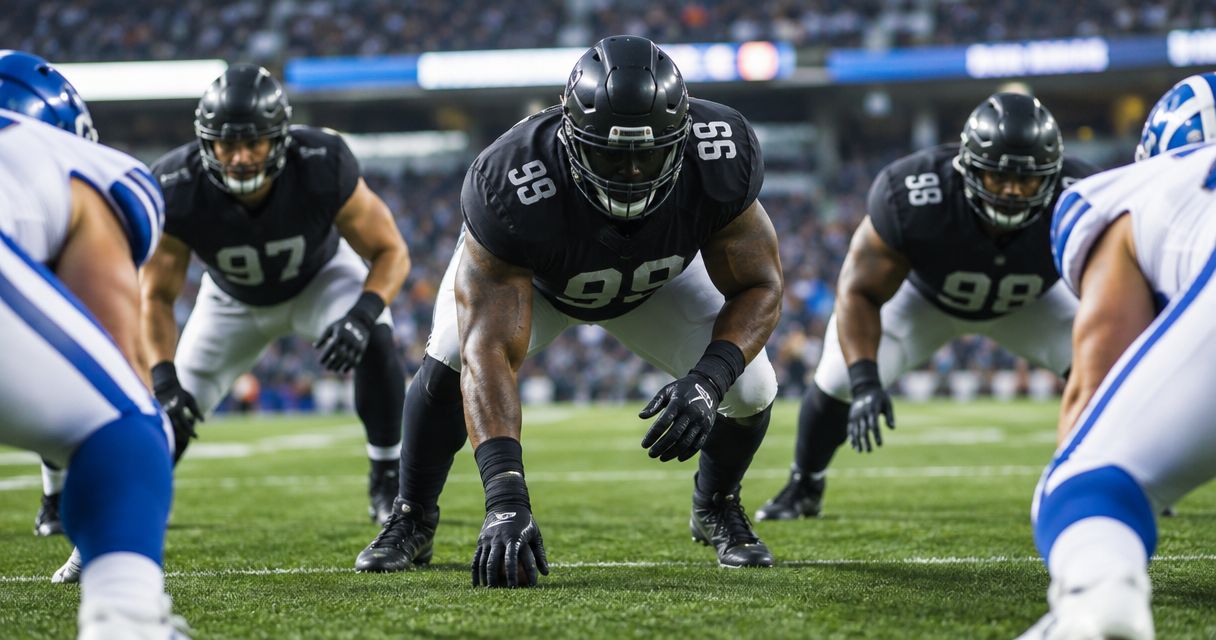
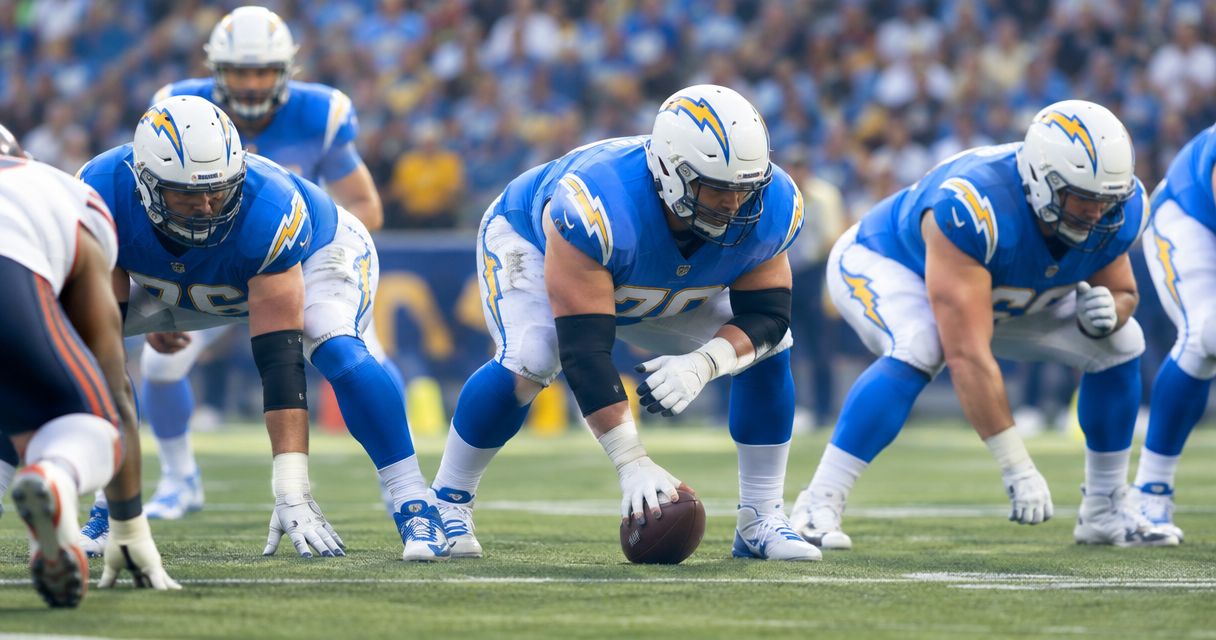
This matters more in soccer than most American sports because substitutions are limited and roles rarely rotate mid-game — a right-back stays a right-back for the full 90. Learn the map once, the way NFL positions explained for new fans breaks down its own eleven, and the pattern holds for every Champions League night and every World Cup group stage through 2026.
Learn the goalkeeper's job first
The goalkeeper is the only player allowed to use hands, and the only one whose mistakes show up on a scoreboard instantly.
- Stops shots between the posts on frame
- Distributes the ball to start attacks, often with a long throw or goal kick
- Commands the box on crosses and corners
- Sweeps behind a high defensive line to clean up through-balls
- Wears jersey number 1 on almost every roster in 2026
Identify the back four
Most teams line up with four defenders across the back, split into two jobs that look similar but aren't.
- Center-backs sit in the middle and stop crosses, headers, and long balls
- Full-backs patrol the flanks, defend wingers, and overlap into attack
- Numbers 2 through 5 usually mark this group on the team sheet
- A back four sits deeper than midfield to compress the space strikers can attack
Find the defensive midfielder
Call this player the number 6 or the destroyer — his job is to stop trouble before the back four ever sees it.
- Screens the back four from central attacks
- Breaks up counter-attacks the moment possession turns over
- Recycles the ball under pressure instead of forcing risky passes
- Wears number 4 or 6 in most club systems
Learn the midfield engine room
Central midfield is where games are actually won or lost, even though strikers get the headlines.
- Box-to-box midfielders cover more ground per match than any other position
- Central midfielders connect defense to attack with short, quick passing
- Attacking midfielders, the classic number 10, create chances just behind the strikers
- Passing range and vision matter more here than raw speed
Once you can track a midfield battle, a page like Champions League dark horses for a deep run reads completely differently — you'll see why a makeshift midfield trio decides an upset before the final whistle.
Spot the wide players
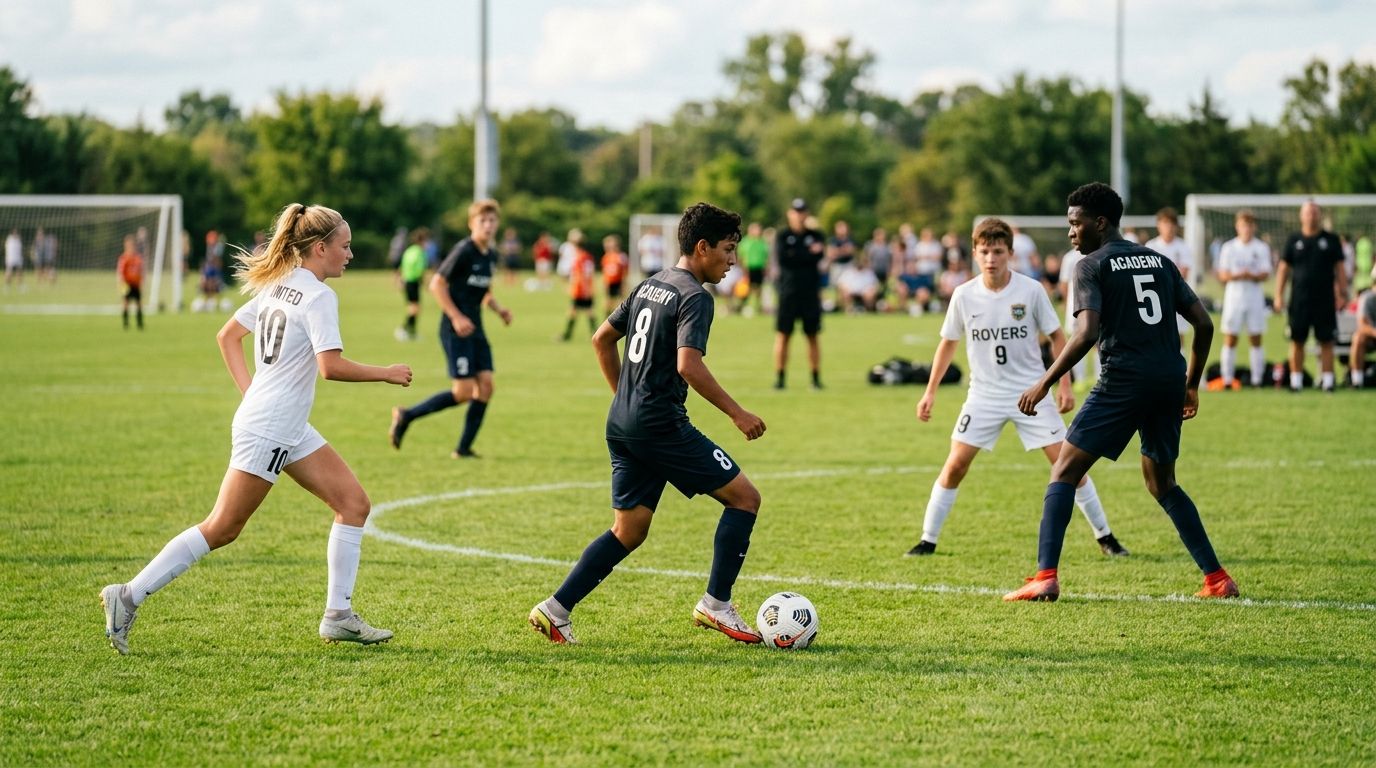
Wingers are the position new fans confuse most with full-backs, because both live near the touchline.
- Wingers hug the sideline and attack the byline for crosses or cutbacks
- Inverted wingers cut inside onto their stronger foot to shoot
- Numbers 7 and 11 flag wide attackers on most rosters
- Width stretches the defense and opens central passing lanes for teammates
Know the striker's job
Every new fan learns the striker first because goals are the easiest thing to track — but the role splits into distinct types.
- Center-forwards finish chances inside the penalty box
- False nines drop deep to drag defenders out of position
- Poachers live off scraps and rebounds in the six-yard box
- Number 9 remains the universal marker for this role in 2026
Read a formation sheet before kickoff
Broadcast graphics show a formation number string — 4-3-3, 4-4-2, 3-5-2 — before every match. Match the shirt numbers on that graphic to the roles above and the formation stops being code.
- 4-3-3 favors width and an aggressive press
- 4-4-2 stacks two strikers behind flat banks of four
- 3-5-2 relies on wing-backs to provide width a back three can't
- Formation graphics list players in position order, not jersey-number order — read back to front
See these positions in a live matchup
Follow how a real back four or midfield trio decides a result.
Position comparison for new fans
| Position | Best for (what to watch) | Typical shirt numbers | Key limitation |
|---|---|---|---|
| Goalkeeper | Shot-stopping drama, distribution | 1 | Can't cover space outside the box |
| Center-back | Aerial duels, last-ditch tackles | 4, 5, 6 | Exposed against pace in behind |
| Full-back / wing-back | Overlapping runs, flank battles | 2, 3 | Leaves space open on the counter |
| Defensive midfielder | Interceptions, ball recovery | 4, 6 | Limited attacking output |
| Central / attacking midfielder | Chance creation, passing range | 8, 10 | Bypassed by direct, long-ball soccer |
| Winger | Speed, dribbling, crosses | 7, 11 | One-footed players get shut down by disciplined backs |
| Striker | Finishing, movement in the box | 9 | Isolated when facing a packed defense |
A new fan tracking a striker versus center-back matchup gets the clearest verdict of any duel on the pitch — it's the one battle every broadcast camera follows by default.
Common mistakes new fans make
- Confusing wingers with full-backs because both attack the same flank at different times
- Assuming shirt numbers always match tradition — modern 2026 squads issue numbers past 30, breaking the old 1-11 convention for bench players
- Ignoring the false nine, expecting every number 9 to plant himself in the box
- Judging a striker only on goals, missing the pressing and hold-up play that sets up teammates
- Skipping formation context, not realizing a back three functions as a back five once wing-backs drop in to defend
FAQ
What are the basic soccer positions explained for new fans?
Four groups cover every player: goalkeeper, defenders (center-backs and full-backs), midfielders (defensive, central, attacking), and forwards (wingers and strikers). Learn those four buckets first and the 11 individual roles fall into place.
Is a winger the same as a full-back?
No. A winger is an attacker who stays high and wide, while a full-back is a defender who tracks back and only overlaps forward in bursts. They occupy the same flank but at opposite ends of the pitch most of the match.
What does a number 6 do in soccer?
The number 6 is the defensive midfielder who screens the back four and breaks up attacks before they reach the penalty box. It is the least glamorous job on the pitch and often the most important.
How many positions are there in soccer?
There are 11 players on the pitch per team, but they break down into roughly 7 distinct position types once you separate center-backs from full-backs and defensive mids from attacking mids.
What is the difference between a striker and a forward?
Striker usually refers to the most central attacker focused on finishing chances, while forward is a broader term covering strikers, wingers, and attacking midfielders. In 2026 broadcasts the terms often get used interchangeably for the number 9.
Why do formations use three numbers like 4-3-3?
Each number represents a line of players from back to front: defenders, midfielders, forwards. A 4-3-3 means four defenders, three midfielders, three attackers, not counting the goalkeeper.
What does a false nine do?
A false nine lines up as the central striker but drops deep into midfield to drag center-backs out of position. That opens space for wingers or midfielders to run into.
Do shirt numbers still match positions in 2026?
Mostly yes for the starting eleven: number 1 is the keeper, 9 is the striker, 7 and 11 are wide attackers. Squad numbers above 20 for bench players have broken the strict 1-11 tradition.
One last thing
The 1-11 shirt-number convention that makes positions easy to read only holds for a team's starting eleven in most competitions. Once a squad rotates in a player numbered 24 or 33, that shorthand stops working, and you are back to watching where he actually lines up on the pitch.