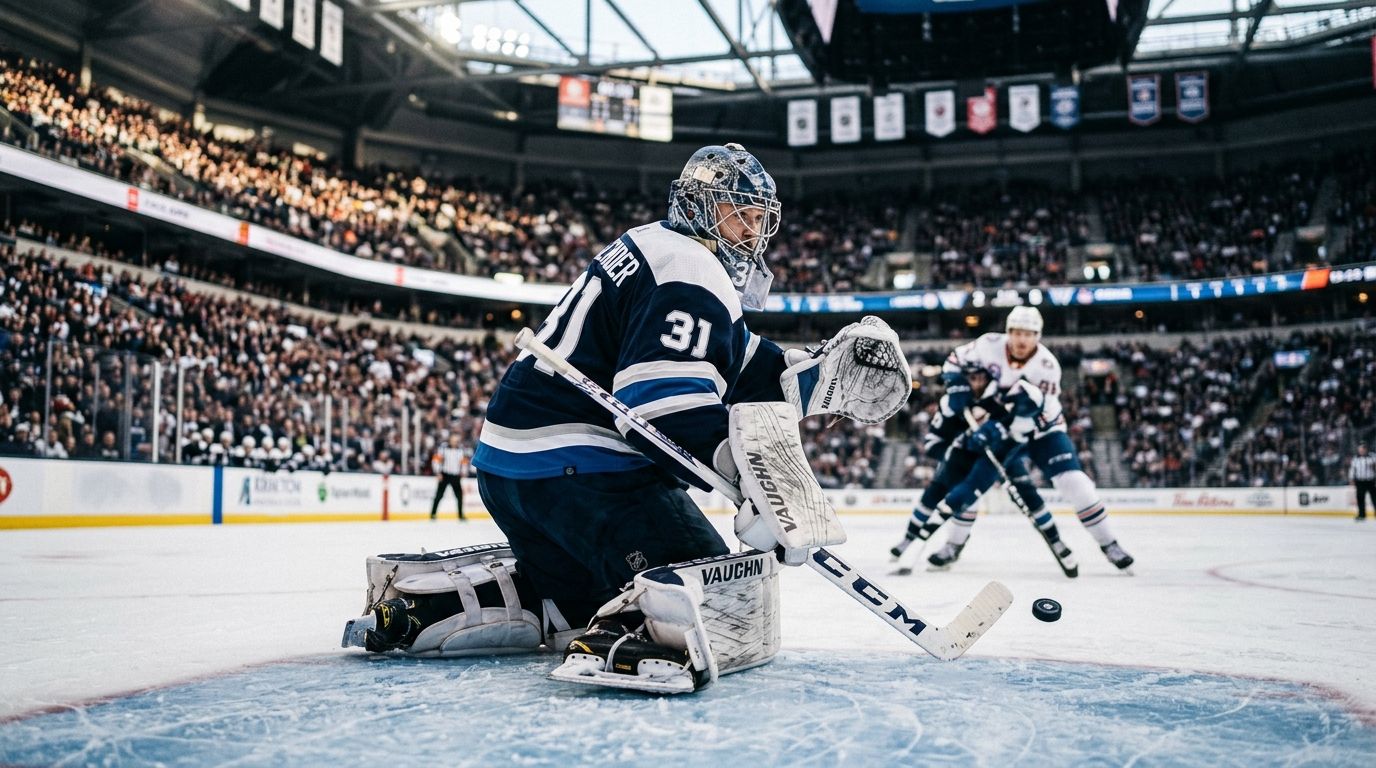
NHL trade candidates for goaltending help are the netminders general managers start calling about the moment a crease tandem stops earning wins, and the 2026 trade deadline turns that call into a full-blown market. Contenders shop for a save, sellers shop for magic returns, and the same shallow pool of names gets recycled every year because legitimate starters almost never move mid-season.
- NHL trade candidates for goaltending help split into three buckets: rentals, buy-low reclamation projects, and third-goalie logjam casualties.
- Diagnose the actual problem before trading picks — a bad six-week stretch isn't always a goaltending problem.
- The 2026 trade deadline in March forces contenders to move early or pay a rental premium late.
- Cap space and retention room decide which goaltending targets are realistic, not raw talent alone.
- Waiver claims and AHL call-ups are the free fix teams should exhaust before trading a pick.
Why this matters
A team doesn't need to be losing the standings race to start shopping the crease. Three soft losses in a row, a starter's workload creeping past a safe range, a backup who can't steal a single start — that's enough for a front office to start dialing. Best NHL goalies right now for playoff pushes shows why the pool stays shallow every year: real starters rarely get moved in-season, so the market skews toward rentals, reclamation projects, and third-string names buried on someone else's depth chart.
The math only tightens as the calendar turns. Thirty-two NHL teams chase sixteen playoff spots, and an 82-game season punishes any club that rides a tandem playing below replacement level for six straight weeks. Heading into the 2026 stretch run, goaltending becomes the single most active trade category outside of rental scorers, and the teams that wait until deadline week pay the highest price for it.
“The best goaltending trades get made three weeks before the deadline, not on deadline day.”
How to identify NHL trade candidates for goaltending help
Diagnose your actual goaltending gap first
Not every bad week is a goaltending problem. A collapsing penalty kill or a defense that's stopped clearing rebounds can make an average goalie look unplayable, and trading for a new arm doesn't fix either of those issues.
- Check whether high-danger chances against have spiked, not just goals against
- Separate a slump from a real talent gap by looking at performance across the full season, not one bad stretch
- Ask if the backup is getting enough starts to stay sharp, or if the tandem is unbalanced
- Confirm the goaltending coach and system haven't changed mid-season
- Rule out a nagging injury that hasn't been publicly disclosed
Separate rental targets from franchise answers
A team buying for a two-month push needs a completely different profile than a team looking for its next long-term starter. Mixing the two up is how front offices overpay for a name that walks in free agency six weeks later.
- Rentals: pending UFA goalies on cap-strapped or non-competitive rosters
- Bridge starters: goalies signed for one or two more seasons who can hold a net while a prospect develops
- Reclamation projects: former starters who lost their job due to system fit, not talent
- Emergency depth: waiver-eligible names who just need NHL reps
- Franchise answers: young goalies still on entry-level deals, almost never actually available
Map the cap math before you call
General managers waste calls chasing goalies they can't actually fit. Retention slots are limited leaguewide, and only so many teams can eat salary in a single trade before the return shrinks to nothing.
- Confirm available cap space at the time of the projected trade, not today's number
- Check how many retention slots the seller has already used this season
- Factor in performance bonuses that can spike a cap hit late in the year
- Model the return package around what the seller actually needs — picks, prospects, or NHL-ready roster help
- Account for no-move or no-trade clauses that shrink the market instantly
Scout the three-goalie logjams around the league
Every season, a handful of teams end up carrying three NHL-caliber goalies because of an offseason signing, a hot waiver claim, or a prospect forcing the issue. Those situations create the cleanest trade candidates because the team has no roster spot to keep all three.
- Track teams that recently signed a free-agent goalie while also owning a strong incumbent starter
- Watch AHL box scores for a goalie stealing starts and forcing a numbers crunch up top
- Note goalies who've been a healthy scratch multiple times in a month
- Flag teams whose goaltending prospect is outplaying his draft slot in the minors
- Check for goalies about to lose waiver exemption, which pressures a team to trade rather than risk losing them for nothing
Time the call before the deadline squeeze
Deadline week inflates the price on every rental in the league because every buyer is calling the same handful of sellers at once. The smartest front offices move in January or early February, before panic sets the market.
- Identify obvious sellers early based on standings position, not deadline-week reporting
- Make a lowball offer weeks ahead of the deadline to gauge real asking price
- Track injury replacements — a seller's temporary starter playing well can shift their willingness to sell
- Watch for teams that clear a goalie's cap hit just to create trade flexibility elsewhere
- Build in a fallback target in case your first choice gets moved to a rival first
Build your trade package before you dial
Sellers move fastest for offers that solve a specific problem — a top-four prospect, a projectable defenseman, or an early-round pick. Vague offers get shelved for a better one.
- Lead with what the seller actually needs, not what you're most willing to give up
- Include a mid-round pick as a sweetener rather than the headline asset
- Offer NHL-ready role players over unproven prospects if the seller is rebuilding around youth
- Keep a two-tier offer ready: one for a rental, one for a longer-term answer
- Never open with your final offer — sellers expect a counter
Line up a fallback beyond the trade market
Not every goaltending fix requires giving up an asset. Waivers and internal call-ups solve real problems for teams unwilling or unable to pay the trade-deadline premium. How to read NHL possession stats for team strength is worth running before making that call, since a team's shot-suppression numbers often explain more than the goalie's stat line does.
- Scan the waiver wire daily during the trade season — teams clearing cap sometimes expose a usable goalie
- Call up an AHL goalie on a hot streak instead of trading for a marginal upgrade
- Explore a depth-for-depth trade that doesn't touch draft capital
- Sign a veteran goalie who's been bought out or bought out mid-season
- Use a professional tryout to test a free-agent option before committing term
Comparison: goaltending trade options for 2026
| Option | Best for | Key limitation |
|---|---|---|
| Rental UFA goalie | Contenders needing a two-month fix | Walks in free agency, no long-term value |
| Buy-low former starter | Teams wanting a bridge starter under contract | Confidence often takes a full offseason to rebuild |
| Waiver claim | Teams unwilling to spend draft capital | Talent pool thins fast once the season moves past midpoint |
| Third-goalie salary dump | Cap-strapped sellers hoping for a return | Retention costs eat into what a buyer will offer |
Verdict: rentals win for teams within a real playoff race in 2026, while buy-low former starters win for teams that need a bridge, not a band-aid.
Track every NHL trade domino live
Fresh grades and roster fallout as deals get announced.
Common mistakes teams make chasing goaltending help
- Chasing name value over fit — a big name goalie who doesn't suit the defensive system solves nothing
- Ignoring retention math — taking on a full cap hit when a partial-retention deal was available
- Waiting until deadline day — paying the panic-buy premium instead of moving weeks earlier
- Overpaying for a hot streak — a goalie who gets scorching right before the deadline costs a full extra asset
- Skipping the internal option — trading a pick for a marginal upgrade over an AHL goalie already performing
FAQ
What makes a goalie a trade candidate at the NHL deadline?
A goalie becomes a trade candidate when his team is out of the playoff race, his contract is expiring, or a logjam leaves no roster spot for him. Pending UFA goalies on non-competitive rosters are the most common candidates in 2026.
Is a rental goalie worth trading picks for?
A rental goalie is worth a pick or two for a team in a real playoff push, but the return shrinks fast if the goalie has an inconsistent track record. Teams should weigh the cost of a two-month rental against a longer-term bridge starter before committing draft capital.
How does cap space affect NHL goaltending trades?
Cap space determines which trades are even possible, since retention slots are limited and only a set number of teams can eat salary in a single deal. A team with no cap room can only realistically pursue a cost-controlled or retained-salary target.
What's the difference between a rental and a long-term goaltending trade target?
A rental is a pending free agent acquired purely for a playoff push with no expectation of re-signing him. A long-term target is under contract for multiple seasons and meant to solve the position beyond 2026.
When does the NHL trade deadline usually happen?
The NHL trade deadline falls in early March each season, including the 2026 deadline. Trade volume typically spikes in the final two weeks before the cutoff.
Can teams claim a goalie on waivers instead of trading for one?
Yes, teams can claim a goalie off waivers for no trade cost, though the available talent pool is usually thinner than the trade market. Waiver claims work best as a low-cost stopgap rather than a long-term fix.
Do playoff teams overpay for goaltending help at the deadline?
Playoff teams routinely overpay in deadline week because every contender is calling the same small group of sellers at once. Front offices that make their move in January or February typically pay less than teams waiting until March 2026.
How many teams typically shop for goaltending help before the deadline?
Multiple teams across the league's 32 franchises look for goaltending upgrades every season, since injuries and inconsistent tandems hit different clubs each year. The exact number shifts year to year based on standings and injury luck.
One last thing
The front offices that get the best goaltending trades in 2026 aren't the ones with the biggest offer — they're the ones who called first. Waiting for deadline week to start shopping guarantees paying the inflated, panic-buy price for a rental that a patient team locked up in January for half the cost.