NFL mock draft quarterback targets for teams needing a passer are the specific prospects analysts pair with rebuilding rosters, not a generic top-ten list. The point isn't spotting the best arm in the class — it's finding the guy who solves a decade-long problem under center, and teams needing a quarterback in 2026 are running that math against a tighter clock than everyone else in the room.
- NFL mock draft quarterback targets only matter when they're matched to scheme, not raw draft grade.
- Teams needing a quarterback in 2026 face more pressure to hit than teams drafting for depth at other positions.
- A tiered QB board beats locking onto one guy before the coordinator hire is even final.
- Odds and prop markets often price a QB's outlook before mock draft consensus catches up.
Why mock draft quarterback targets matter for teams needing a passer
A quarterback miss doesn't cost a team one draft class — it resets the rebuild clock for three or four more. Every other position group can absorb a bust and recover the next offseason; a quarterback bust drags the front office, the coaching staff, and the fan base through another multi-year search.
That's why NFL positions and roles get scrutinized harder for the quarterback spot than any other slot on the board. Teams needing a quarterback in 2026 aren't just filling a roster hole — they're betting the front office's job security on one evaluation.
A quarterback prospect only qualifies as a real mock draft target when he fits the play-caller who's actually going to coach him — everything else is name recognition dressed up as analysis.
The scouting process teams needing a quarterback actually use
Mock draft boards get built the same way every cycle, whether it's a national outlet or a team's internal war room. The process below is the free, manual version any fan or bettor can run — no paid service required.
Audit the current QB room before adding a name
Before ranking any prospect, figure out what the roster already has and what it's missing.
- List the current QB depth chart and each player's contract status
- Note whether the offensive line can protect a rookie on early downs
- Check if there's a bridge veteran who can start a full season if needed
- Flag whether the receiver room fits a rhythm passer or a scrambler
- Confirm the coordinator situation — a lame-duck play-caller changes everything
Weight arm talent against scheme fit, not draft grade
A consensus top-five grade means nothing if the prospect's game doesn't match the offense he's walking into.
- Watch three games against the toughest opponent on the prospect's schedule, not the highlight reel
- Track completion rate specifically on third-and-medium, not season totals
- Note how often the prospect throws off-platform versus from a clean pocket
- Compare the prospect's college scheme (spread, pro-style, RPO-heavy) to the drafting team's offense
- Check if the quarterback processes pre-snap or relies on athleticism to bail out bad reads
Track mobility and the QB run game a new staff will call
Some front offices overvalue speed; others undervalue it entirely. Both mistakes show up in April.
- Time how often the prospect extends plays with his legs versus tucking and running by design
- Check sack rate under pressure — mobility that avoids sacks matters more than 40 time
- Look at how the college staff used designed QB runs in the red zone
- Note ball security on scrambles; fumbles under pressure are a red flag NFL staffs track closely
Cross-check the free agent and practice squad market
A rookie QB target only makes sense in the context of who else is on the roster. Reading free agent classes at skill positions tells you how much cap space and draft capital a team can actually commit to the QB spot.
- Check if a team already spent big at receiver or tackle, tightening the QB pick's timeline
- Note if a veteran bridge starter is under contract for one more year
- Confirm whether the team has multiple first-round picks to package into a trade-up
- Track whether the current backup QB has starter-level tape from spot duty
Read the coordinator's history before trusting a fit
A new offensive coordinator changes a QB prospect's projection more than almost anything else in the process.
- Look up the coordinator's last three seasons of play-calling tendencies
- Check if the coordinator has developed a rookie QB before, and how that rookie performed by year two
- Note whether the scheme leans on quick game or deep shots — that dictates which prospect actually fits
Watch odds and prop markets for early signals
Sharp bettors price quarterback outlooks faster than most mock draft consensus updates. Cross-referencing NFL spread betting markets against a team's win total often shows which front offices are already playing for a top pick.
- Track a team's win total shifts after a starting QB injury
- Note division futures odds — a division with weak QB play signals more rebuilding teams competing for the same names
- Compare a rookie QB's draft prop odds to his college production; wide gaps flag hype over substance
Build a tiered board instead of one locked name
The biggest mistake in any team's process is falling in love with a single prospect before the coordinator hire is final.
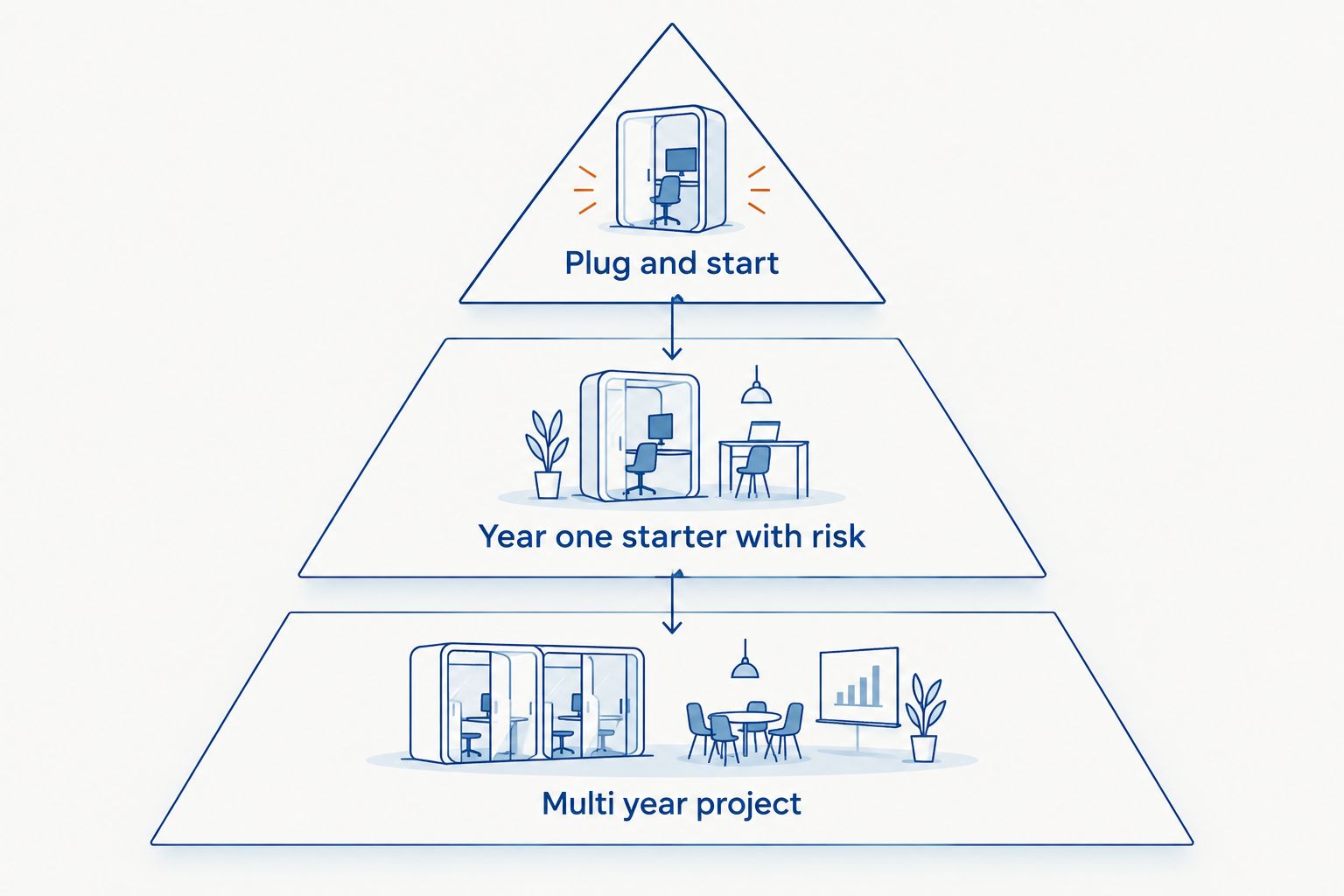
- Group prospects into three tiers: plug-and-start, year-one-starter-with-risk, and multi-year project
- Assign a fallback name in each tier in case a rival team jumps ahead in the order
- Revisit the board after every coordinator hire, not just after the combine
Draft strategy options for teams needing a quarterback
| Option | Best for | Key limitation |
|---|---|---|
| Top-of-draft signal-caller | A full rebuild with cap flexibility and time to develop | Highest bust risk of any roster investment |
| Day 2 developmental prospect | A team with a bridge veteran already under contract | Needs a full redshirt year before starting |
| Free agency bridge veteran | A team drafting other needs this cycle | Doesn't solve the long-term answer at QB |
| Trade for a disgruntled starter | A team with surplus draft capital and a win-now window | Costs multiple future picks and often a first-rounder |
Trade for a disgruntled starter wins for teams that already have the roster around him — draft a rookie only when the front office has the patience to survive a rough year one.
“A quarterback prospect only qualifies as a real mock draft target when he fits the play-caller who's actually going to coach him.”
Common mistakes teams needing a quarterback make
- Chasing arm strength over accuracy on rhythm throws — velocity doesn't show up on a stat sheet the way completion rate on third down does
- Ignoring the offensive line before the QB pick — a rookie behind a bad line develops bad habits fast, regardless of talent
- Locking a QB to a scheme before the coordinator is hired — fits change the moment a new play-caller walks in the building
- Overvaluing pro-day numbers over live snaps against pressure — a controlled workout tells you less than one bad-weather road game
- Drafting for mock consensus instead of team fit — the name every outlet has in the top five isn't automatically the right fit for every offense
Follow every NFL draft angle in 2026
Team-by-team quarterback fits, odds shifts, and mock draft breakdowns as the cycle moves.
FAQ
What makes a quarterback a real mock draft target and not just a name?
A real target fits the offensive coordinator's scheme and the roster's timeline, not just a high consensus grade. Mock draft boards that ignore coaching fit tend to whiff more often than boards built around it.
How many quarterback prospects should a team needing a passer track?
Three tiers of at least two names each covers most draft-day scenarios in 2026. A single locked name leaves a team exposed if a rival jumps the order.
Is mobility more important than arm strength for a rookie quarterback?
Mobility that avoids sacks matters more than raw arm strength in year one, since protection is rarely elite for a rookie. Arm strength matters more once the offense opens up in year two or three.
Should a team draft a quarterback if it already has a bridge veteran?
Yes, a Day 2 developmental prospect is the standard play when a bridge veteran is under contract for at least one more season. It buys a redshirt year without forcing the rookie into live action too early.
How does a new offensive coordinator change a QB prospect's fit?
A new coordinator can flip a prospect's projection completely, since scheme fit depends on play-calling tendencies more than raw talent. Boards built before a coordinator hire should get revisited immediately after.
Do betting markets predict quarterback draft outcomes?
Betting markets often price a team's QB outlook faster than mock draft consensus catches up, especially through division futures and win totals. They're a signal, not a guarantee.
What's the biggest mistake teams make with quarterback mock draft boards?
Locking onto a single prospect before the coordinator hire is final is the most common mistake teams needing a quarterback make. Fits change the moment a new play-caller walks into the building.
One last thing
The teams that hit on quarterbacks most often in recent draft cycles are the ones that revisit their board after every coaching change, not just after the combine — treat the mock draft QB target list as a living document through 2026, not a set-it-and-forget-it ranking from February.