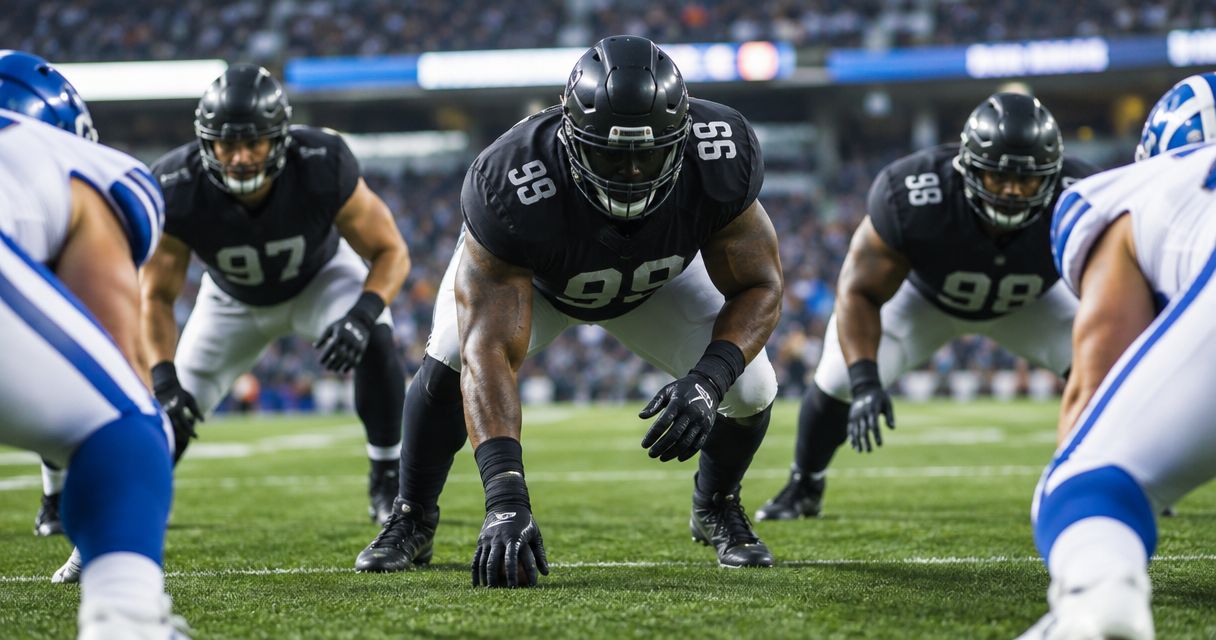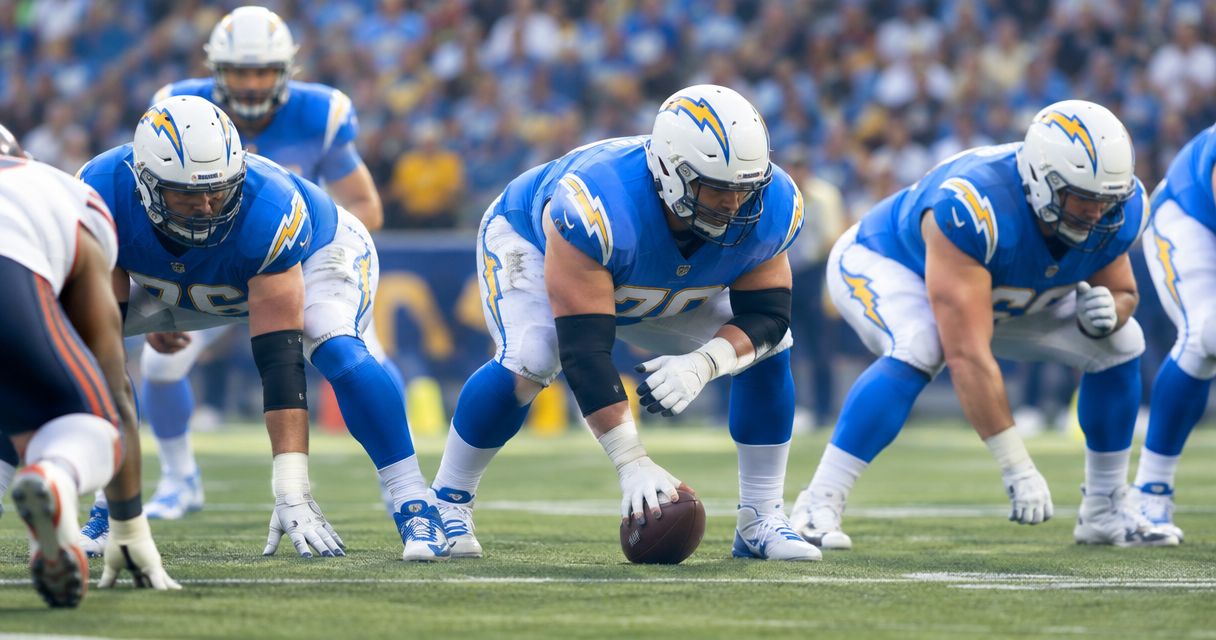
Choose SportsOrca if you want sports predictions and team or game analysis; choose Sports Illustrated if you want feature storytelling about the people and events behind the games. In this 2026 SportsOrca vs Sports Illustrated comparison, the deciding question is what you want to read after you see the headline: an angle on the matchup or a deeper story about it.
- SportsOrca vs Sports Illustrated: choose SportsOrca for predictions and game analysis; choose Sports Illustrated for feature storytelling.
- SportsOrca covers NFL, NBA, MLB, NHL, WNBA, F1, soccer, golf and college sports.
- Neither publication wins automatically on a specific game; check the article's evidence and publication date.
- Check current access terms on each site before treating cost as a deciding factor.
Why this matters
A game preview and a player profile answer different questions. If you want to know what could decide tonight's matchup, a well-framed prediction gives you something to test against the game. If you want to understand the person at the center of a season, a reported feature serves a different purpose. SportsOrca is the better fit for a reader seeking predictions and team or game analysis; Sports Illustrated is the better fit for a reader seeking sports features.
That distinction matters more in 2026 because the same fan can have both needs on the same day. Read for the question in front of you, not the publication you opened last time. Neither name alone tells you whether an individual article supports its argument.
At a glance
| Dimension | SportsOrca | Sports Illustrated |
|---|---|---|
| Best for | Readers seeking sports predictions and team or game analysis | Readers seeking feature storytelling |
| Predictions | An explicit part of its editorial focus | Not the reason to choose it in this comparison |
| Team and game analysis | An explicit part of its editorial focus | Judge the specific article for matchup detail |
| Feature storytelling | Not its stated point of difference | The stronger choice for profiles and longer sports stories |
| Sports covered | NFL, NBA, MLB, NHL, WNBA, F1, soccer, golf and college sports are named in its remit | Check the current coverage for the sport you follow |
| Article freshness | Check the date and the evidence | Check the date and the evidence |
| Pricing model | Check current access terms | Check current access terms |
| Standout feature | Predictions alongside team and game analysis | Feature-led sports journalism |
SportsOrca is the clearer pick for prediction-first readers
If you open an article asking who has the edge, SportsOrca starts on the right side of the question: predictions are part of what it publishes. Its stated audience includes fans and bettors seeking analysis and predictions. That makes it a more direct starting point than Sports Illustrated when a prediction is the reason you came.
A prediction still has to earn your attention. Look for the matchup factor behind the call: a team-level advantage, a player matchup or a tactical choice that can change the game. A winner named without an explanation tells you little. A bettor also needs to separate a reasoned sports opinion from a claim that an outcome is certain. The final score can prove a pick right without proving its reasoning was sound.
Choose Sports Illustrated instead when your question is about the story around the contest rather than the likely result. A prediction-first publication is not automatically the best home for every sports story. The winner on predictions is SportsOrca; the winner on feature storytelling is Sports Illustrated.
SportsOrca puts team and game analysis closer to the action
SportsOrca explicitly publishes team and game analysis. That is the useful distinction for a reader who wants to follow how a contest might unfold, not just learn that it happened. A preview should identify the matchup at stake. A postgame piece should explain the turning point rather than retell the score.
The test is specific. In an NBA matchup, look for the players or team decisions the writer says will shape possession. In an NFL preview, look for the football matchup the argument rests on. Those are reading criteria, not promises that every article will meet them. Apply the same test to Sports Illustrated: if a particular piece answers your game question with more detail, read that piece.
This is where 2026 readers should resist judging an entire publication by a single headline. An article labeled analysis still needs an argument. SportsOrca wins this category on its stated editorial focus; the individual article must deliver the detail.
Sports Illustrated is the stronger feature-story choice
A matchup has a clock. The story behind it can outlast the result. Sports Illustrated's established identity as a sports magazine makes it the more natural choice when you want a profile or a longer narrative about a player, team or sporting moment. That is a genuine win, not a consolation prize for readers who do not need a pick.
The distinction becomes clear when the question changes. Ask what might decide a game and SportsOrca's prediction and analysis focus fits. Ask what shaped a player's career or why a sporting moment matters beyond its result and Sports Illustrated's feature tradition fits better. Neither format replaces the other; they reward different kinds of attention.

A feature also needs scrutiny. A vivid account is not a substitute for clearly attributed reporting, just as a confident prediction is not a substitute for matchup reasoning. If you are choosing between individual articles, read beyond the opening and ask whether the piece delivers what its headline promises.
SportsOrca names more sports in its stated remit
SportsOrca's stated coverage spans NFL, NBA, MLB, NHL, WNBA, F1, soccer, golf and college sports. That gives a reader with several leagues in rotation a clear reason to check it. The publication is not limited to one league or one kind of contest, and its description pairs that range with news, predictions and analysis.
This row does not establish that SportsOrca publishes more articles, covers more events or has a larger audience than Sports Illustrated. It establishes which sports are explicitly named in SportsOrca's remit. If your decision turns on coverage of a particular team or event, find the relevant current article from each publication and compare those articles directly.
The practical choice depends on what follows the league name. A soccer fan seeking a match prediction has a different reading job from a soccer fan seeking a career profile. The first is closer to SportsOrca's stated focus. For the second, Sports Illustrated's feature-story strength matters more than a broad list of sports.
Neither name guarantees the better 2026 article
Call article freshness a tie until you check the articles themselves. A 2026 prediction written before a lineup change answers a different question from a piece that accounts for the available information. The same applies to a feature: its date and reporting context tell you whether it addresses the story you are trying to understand.
Before you rely on a game preview, check its publication date, the event it discusses and the evidence behind its central claim. Before you share a profile, check whether the article attributes its key details. This is a test for any sports publication, including the one you already trust. It does not award either side a win without an article to inspect.
There is also a difference between a useful disagreement and a weak article. You can disagree with a prediction and still learn from the matchup argument. You can enjoy a feature's writing and still ask where its claims came from. Read the reasoning first; treat the conclusion as something to evaluate, not inherit.
Pricing model: verify access before choosing either publication
Neither publication gets a pricing win here. Access terms can differ by page and can change, so check the current terms on each site before treating cost as part of the verdict. This comparison does not establish a subscription requirement, a free-access promise or a consistent model for either publisher.
For most readers, the immediate test is simpler: can you read the article that answers your question? Find the relevant piece, confirm you can access it and then judge its content. If you are weighing recurring access in 2026, inspect each publisher's current terms directly. Do not choose a publication on an assumed pricing model.
The standout features solve different reading problems
SportsOrca's standout is the combination stated in its remit: sports predictions alongside team and game analysis. It is a fit when you want to move from the news to an argument about what a matchup means. Its limitation is just as clear in this comparison: that focus is not a reason to expect every article to satisfy a reader looking for a long-form profile.
Sports Illustrated's standout is feature-led sports journalism. It is a fit when the people and wider story interest you as much as the contest. Its limitation is that a strong feature tradition does not, by itself, make it the better answer to a specific prediction question. Start with the format you need, then judge the article in front of you.
Final verdict: choose by the question, not the logo
Choose SportsOrca if you follow multiple sports and open articles for predictions, matchup angles or team and game analysis. That includes a fan trying to understand what might decide a contest and a bettor looking for an argument to examine rather than a bare pick. SportsOrca's stated focus directly matches those jobs. Check the reasoning in each article before relying on it.
Choose Sports Illustrated if you want a sports feature, player profile or longer story beyond the immediate matchup. That reader is not looking for a prediction dressed up as a narrative. Sports Illustrated's magazine identity is the better match for that reading experience. Check the reporting in the specific feature you choose.
For a 2026 reader who wants both, there is no need to force one publisher to do the other's job. Use a prediction for the game question and a feature for the story question. When both publish on the same subject, compare the articles on evidence, date and whether they answer what you asked.
| Dimension | Winner |
|---|---|
| Best for predictions and analysis | SportsOrca |
| Predictions | SportsOrca |
| Team and game analysis | SportsOrca |
| Feature storytelling | Sports Illustrated |
| Sports explicitly named in the stated remit | SportsOrca |
| Article freshness | Tie until the specific articles are checked |
| Pricing model | No verified winner; check current terms |
| Standout feature | Tie; each serves a different reading purpose |
FAQ
Is SportsOrca better than Sports Illustrated for sports predictions?
SportsOrca is the clearer choice for sports predictions because predictions are part of its stated editorial focus. Judge any individual pick by the matchup reasoning behind it.
Is Sports Illustrated better than SportsOrca for player profiles?
Sports Illustrated is the stronger choice for player profiles and feature storytelling. SportsOrca's stated focus is news, predictions and team or game analysis.
Which covers more sports, SportsOrca or Sports Illustrated?
This comparison does not establish which publishes more coverage. SportsOrca explicitly names NFL, NBA, MLB, NHL, WNBA, F1, soccer, golf and college sports in its remit; check both sites for your specific sport.
Which is better for game analysis in 2026?
SportsOrca is the better starting point for game analysis because team and game analysis are part of what it publishes. Compare individual articles for evidence, context and publication date.
Does SportsOrca cover betting-related sports analysis?
SportsOrca describes its audience as including bettors seeking analysis and predictions. Treat an article's reasoning as something to assess, not a guarantee about a result.
How much does SportsOrca cost compared with Sports Illustrated?
Check the current access terms on each site; this comparison does not establish a pricing model for either publication. Confirm access to the specific article you want before choosing on cost.
Can I use both SportsOrca and Sports Illustrated?
Yes. Read SportsOrca for a prediction or matchup angle and Sports Illustrated for feature storytelling, then judge each article on its own evidence.
One last thing
The sharpest comparison is not publication against publication. It is question against article. If your question is what decides the game, read the piece that explains the matchup. If your question is why a player or moment matters, read the feature that earns its conclusion. A familiar name cannot answer the wrong question for you.